London's Victorian-era shop fronts offer a mesmerizing glimpse into 19th-century commerce, yet most visitors stroll right past these architectural treasures without noticing. Over 60% of travelers report missing key historic sites due to poor signage and overcrowded main streets, according to a recent UK tourism survey. The frustration mounts when you later discover you were mere steps away from perfectly preserved examples of Victorian craftsmanship - ironwork details, ornate tiling, and hand-painted signs that have survived over a century. These hidden gems tell the story of London's retail revolution, but without local knowledge, you'll likely waste hours retracing steps or fighting through Oxford Street crowds only to find modernized storefronts. The real challenge lies in knowing exactly where to look for these time capsules amidst London's bustling shopping districts.
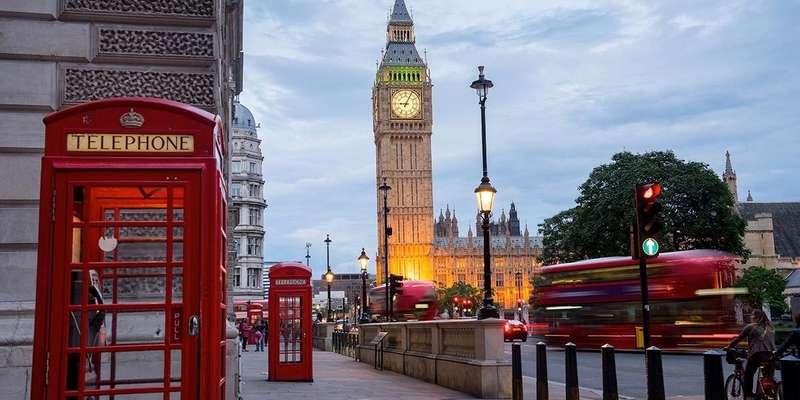
Why most visitors miss London's best Victorian shop fronts
The main obstacle isn't scarcity - London boasts hundreds of intact Victorian commercial buildings - but rather their inconspicuous locations. Unlike major landmarks, these shop fronts blend into everyday streetscapes, often tucked between modern buildings or disguised by contemporary signage. Many cluster in areas that tourists rush through en route to more famous attractions, like the side streets near Covent Garden or the quieter ends of Oxford Street. Another issue is timing; the intricate architectural details become invisible in poor light or when shops are crowded. Locals know that early mornings or weekdays offer the best viewing, when natural light accentuates the carved woodwork and cast iron columns. Some of the most spectacular examples survive precisely because they're located just beyond prime retail zones, preserving original features that escaped modernization pressures.
View all Tours
The five best streets for untouched Victorian shop architecture
For guaranteed sightings of pristine Victorian shop fronts, head to Lamb's Conduit Street in Bloomsbury, where nearly every building retains original 1880s features, from the Doulton tilework to the distinctive rounded windows. Kensington's Kensington Church Street offers a parade of perfectly preserved shops beneath ornate wrought-iron balconies. In Holborn, look for the stunning terracotta facade at 77-78 Southampton Row, while Mayfair's Mount Street showcases aristocratic shopping elegance with its uniform Victorian frontages. Don't miss the spectacularly preserved grocery at 42-44 New Oxford Street, complete with original gold leaf signage and mahogany display windows. These locations survived largely intact because they served specialized clientele - from legal professionals to wealthy residents - who valued tradition over modernization. Each street tells a different chapter of London's retail history through its architectural details.
View all Tours
How to spot authentic Victorian features like an architecture expert
Trained eyes can date a shop front within decades by examining specific details. Genuine Victorian examples will have certain hallmarks: stained glass transom windows above the door (often with the proprietor's name), decorative iron columns supporting the canopy, and elaborate bracketed shop signs. The materials reveal much - look for Carrara marble stall risers, encaustic tile entryways, and polished granite pilasters. Original Victorian shop fronts always sit at street level (no sunken entries) with large plate glass windows - a revolutionary feature when introduced in the 1850s. Be wary of reproductions; authentic examples show weathering patterns and slight asymmetries from hand craftsmanship. Particularly valuable are surviving 'shop blinds' - the retractable canvas awnings that were standard in the period. Local historians recommend focusing on upper-floor details too, where less-altered elements like bracketed cornices often survive.
View all Tours
Planning your perfect Victorian shop front discovery tour
To maximize your sightings without exhausting walks, concentrate on two compact areas: start at Holborn's legal district in the morning when light illuminates the tilework, then take the Central Line to Notting Hill Gate for afternoon viewing of pastel-colored Victorian parades. Free apps like Layers of London overlay historic maps to help identify original shop fronts. For deeper insight, several specialist tour operators offer small-group walks focusing exclusively on commercial architecture - these prove invaluable for accessing normally closed interior spaces like Victorian shop fittings rooms. Photography enthusiasts should target golden hour when the elaborate facades cast dramatic shadows. Always check opening times for any still-operating Victorian shops like James Smith & Sons umbrellas or Dr. Harris & Co pharmacy - these living museums offer the full period experience with their original fixtures and vintage display cases intact.
UPDATES FOR YEAR 2026
Essential Access Updates and Pedestrian Navigation for Historic Shop Fronts
Recent transit adjustments in Central London have significantly improved the viewing experience for Victorian architecture enthusiasts. The expansion of pedestrian-friendly zones across Bloomsbury and Holborn has reduced vehicle congestion, allowing for unobstructed street-level photography of sites like Lamb’s Conduit Street. Visitors should note that several heritage facades on New Oxford Street are currently undergoing localized conservation; it is advisable to check for temporary scaffolding alerts before planning a dedicated photo shoot. Furthermore, while historic landmarks like James Smith & Sons remain accessible, many specialist retailers have transitioned to 'appointment-preferred' models for interior viewing to protect original fittings from high foot traffic. Ensure your travel plan accounts for the latest Ultra Low Emission Zone (ULEZ) boundaries if using private transport, though the increased frequency of the Elizabeth Line offers the most efficient access to these historic clusters.
View all Tours
FAQ 2026
Do I need to book in advance to see London's Victorian shop interiors in 2026?
While most Victorian facades can be viewed freely from the pavement, several 'living museum' shops like Dr. Harris & Co now recommend booking a specific time slot for interior photography or detailed tours of their original fittings to manage capacity and preserve the delicate woodwork.
What are the current visiting hours for the James Smith & Sons umbrella shop in 2026?
The iconic umbrella shop at 53 New Oxford Street typically operates Monday through Friday from 10:00 AM to 5:30 PM, and Saturdays from 10:00 AM to 5:00 PM. It is best to visit during the morning on weekdays to avoid the peak afternoon crowds.
Are there new pedestrian zones in Bloomsbury for viewing Victorian architecture in 2026?
Yes, several streets near Lamb's Conduit Street have been converted into 'Healthy Streets' with restricted vehicle access during peak hours. This makes the area significantly safer and quieter for walking tours focused on 19th-century commercial architecture.
Written by London Tours Editorial Team & Licensed Local Experts.
Last updated: 23/02/26
