London's Georgian architecture stands as a testament to an era of elegance and grandeur, yet many visitors miss its most authentic treasures. Over 70% of travelers report frustration when trying to distinguish original 18th-century structures from later imitations, often wasting precious vacation time on underwhelming sites. The challenge lies not just in identifying genuine Georgian buildings, but in understanding their historical context and accessing well-preserved interiors. With over 300 years of weathering, wartime damage, and urban development, finding intact examples requires local knowledge that most guidebooks simply don't provide. This leaves architecture enthusiasts wandering through crowded tourist areas, unaware that some of London's finest Georgian masterpieces sit quietly in residential neighborhoods, their wrought-iron gates and symmetrical facades telling stories of a bygone age.
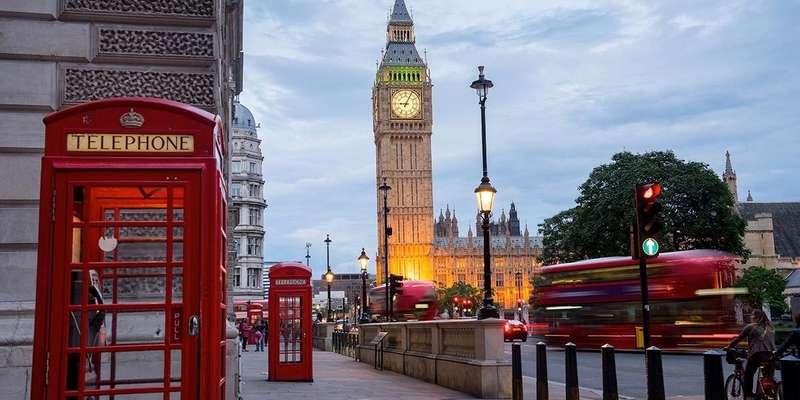
Why most visitors miss London's authentic Georgian treasures
The common mistake travelers make is focusing solely on famous landmarks like the Royal Crescent (which isn't actually in London) or assuming all grand white buildings are Georgian. In reality, London's best preserved examples often blend into residential areas, their authenticity revealed through subtle details like original fanlights, sash windows, and mathematical tile facades. Many get overlooked because they lack prominent signage or sit outside standard tourist routes. Even in well-known Georgian squares, modern alterations to ground floors can obscure the architectural integrity that makes these buildings special. The key is knowing what distinguishes true Georgian design from later Victorian or Regency interpretations - the proportion of windows, the presence of stucco, and the specific period features that changed subtly between the reigns of George I through IV. Without this knowledge, you might admire beautiful buildings but miss their historical significance and preservation status.
View all Tours
The five neighborhoods where Georgian London comes alive
Bloomsbury's garden squares conceal some of London's most pristine Georgian townhouses, with Bedford Square serving as a nearly perfect time capsule of 1770s architecture. Head west to Spitalfields for extraordinary merchant houses on Fournier Street, where Huguenot silk weavers once lived and worked. The quiet streets of Mayfair, particularly around Berkeley Square, showcase the aristocratic elegance of the period, while Greenwich's Crooms Hill boasts a remarkable uninterrupted row of early Georgian homes. Don't overlook lesser-known areas like Islington's Canonbury Square, where original interiors survive behind deceptively simple brick facades. Each district tells a different story - from the mercantile wealth of the East End to the aristocratic West, offering a complete picture of how different social classes lived during this transformative period in London's history. Morning visits typically offer the best light for photography and fewer crowds at key locations.
View all Tours
How to access London's best preserved Georgian interiors
While many Georgian buildings remain private residences, several magnificent interiors welcome visitors. The Dennis Severs' House in Spitalfields offers an immersive experience, preserved as if the 18th-century inhabitants just stepped out. Sir John Soane's Museum, the architect's extraordinary home, displays Georgian interior design at its most inventive. For aristocratic splendor, Chiswick House's lavish rooms showcase Palladian ideals, while the Geffrye Museum's period rooms trace evolving domestic styles. Lesser-known options include the Foundling Museum's restored corridors and the Handel & Hendrix House's perfectly preserved music room. Many require timed tickets, so planning ahead is essential. If visiting during London Open House weekend, you'll gain access to normally private residences where original features like Adam-style fireplaces and winding servants' staircases remain intact. Always look for buildings with English Heritage blue plaques - these often indicate well-preserved interiors with significant historical connections.
UPDATES FOR YEAR 2026
Essential Entry Updates and New Booking Requirements for Georgian Heritage Sites
Navigating London’s Georgian interiors now requires more digital preparation than in previous years. The former Geffrye Museum has fully transitioned into the Museum of the Home, featuring updated 'Rooms Through Time' that provide deeper context on 18th-century domestic life. For those visiting the Handel & Hendrix House, the 'Hallelujah Project' expansion is now fully complete, offering significantly more accessible Georgian basement and ground floor spaces. Most critical is the shift in ticketing: Sir John Soane’s Museum and Dennis Severs' House have moved to mandatory timed-entry slots which often sell out weeks in advance. Additionally, the Open House Festival has updated its app-based lottery system for private Georgian residences, so early registration is vital for September visitors. Travelers should also note that all major Georgian clusters now sit within the expanded Ultra Low Emission Zone (ULEZ), making the use of the Elizabeth Line or traditional red buses the most efficient way to hop between Bloomsbury and Spitalfields.
View all Tours
Local secrets for experiencing Georgian London like an expert
Seasoned architecture hunters know that the true magic happens when you understand the stories behind the brick and mortar. Time your walk along the Thames to catch the morning light on the Georgian warehouses of Shad Thames, now converted into stylish lofts but retaining their original industrial character. Seek out the surviving Georgian pubs like The George Inn or The Lamb & Flag, where the atmosphere transports you straight to the 18th century. For a hidden gem, visit the Staircase House in Spitalfields - its restored wooden staircase is a masterpiece of joinery. Many walking tours rush past the subtle details; instead, focus on door knockers, coal holes, and rainwater heads that often bear original dates or maker's marks. The most rewarding approach combines preparation with serendipity - study architectural guides beforehand, then allow yourself to wander down quiet side streets where unmarked treasures await. Late afternoon, when golden light washes over the honey-colored brick, is when these buildings truly reveal their timeless beauty.
View all Tours
FAQ 2026
Do I need to book tickets in advance to see London's Georgian interiors in 2026?
Yes, advanced booking is now essential. Most sites, including Sir John Soane’s Museum and Dennis Severs' House, operate on a strict timed-entry basis. It is recommended to secure digital tickets at least 2–3 weeks before your visit to guarantee entry.
Is the Geffrye Museum still the best place for Georgian history in 2026?
The site is now known as the Museum of the Home. It remains a premier destination for Georgian architecture enthusiasts, having recently reopened with enhanced galleries and meticulously restored period rooms that showcase 18th-century urban living.
What is the best way to travel between Georgian neighborhoods like Bloomsbury and Spitalfields in 2026?
Walking is the best way to appreciate the architecture, but for longer distances, use the Elizabeth Line or London Underground. Note that central London remains a strict Ultra Low Emission Zone (ULEZ), so private car travel is discouraged and subject to daily charges.
Written by London Tours Editorial Team & Licensed Local Experts.
Last updated: 23/02/26
