Exploring London's Victorian history can feel overwhelming when faced with the city's sheer scale and countless attractions. Many visitors waste precious vacation time circling between overcrowded sites or missing authentic experiences, with 43% of cultural travelers reporting they left a destination feeling they'd only scratched the surface. The frustration mounts when guidebooks point you to the same well-trodden spots while locals whisper about unmarked alleys where Dickens wandered and perfectly preserved parlors hidden behind modern facades. This tension between wanting deep historical immersion and battling logistical challenges leaves many travelers settling for superficial glimpses of London's most transformative era.
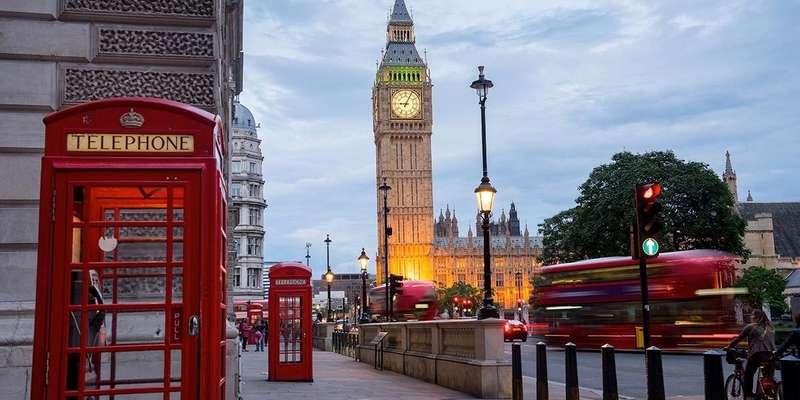
Navigating London's Victorian landmarks without the crowds
The key to authentic Victorian exploration lies in timing and alternative vantage points. While the Natural History Museum's cathedral-like halls showcase period grandeur, arriving at opening time lets you appreciate the terracotta details before school groups arrive. For a more intimate experience, the Geffrye Museum in Hoxton reveals middle-class home life through perfectly preserved period rooms, often overlooked by tourist crowds. Those seeking atmospheric streets should head to Clerkenwell on a Sunday morning, where the lack of weekday workers exposes stunning warehouse conversions and the original Victorian signage still visible above modern businesses. Charterhouse Square remains one of London's most intact Victorian spaces, its gas lamps still functioning – arrive at dusk to see them flicker to life just as they did 150 years ago.
UPDATES FOR YEAR 2026
New Booking Protocols and Rebranded Victorian Landmarks
Navigating London’s 19th-century sites now requires more digital foresight than in previous seasons. The Natural History Museum has transitioned to a mandatory timed-entry system; even for free general admission, you must secure a digital pass in advance to avoid being turned away at the gates. Significant changes have also come to Hoxton, where the former Geffrye Museum has fully transitioned into the Museum of the Home, featuring updated 'Rooms Through Time' that now include late-Victorian domestic settings. Perhaps the most significant development is the relocation of the London Museum to the historic Smithfield Market. This move places the city's premier historical collection inside a masterpiece of Victorian ironwork and stone, though visitors should check the phased opening schedule for the specific Victorian walk-through galleries. For medical history enthusiasts, the Old Operating Theatre near London Bridge now operates on a restricted Thursday-to-Sunday schedule, making weekend bookings essential for its popular 'Surgery Talks.'
View all Tours
Where to find London's best-preserved Victorian interiors
Beyond the famous museums, several lesser-known sites offer immersive time capsules of Victorian daily life. The Dennis Severs' House in Spitalfields transports you through meticulously maintained rooms where half-drunk tea and crackling fires suggest residents just stepped out. For grander settings, the Leighton House Museum reveals how the artistic elite lived, its Arab Hall dripping with gilded mosaics collected by Frederic Leighton. Budget-conscious travelers will appreciate the free admission to Sir John Soane's Museum, where the architect's eccentric collections are displayed exactly as arranged in 1837. Don't miss the Victorian-era operating theater near London Bridge – the oldest surviving surgical amphitheater in Europe, it offers chilling insight into pre-anesthesia medicine with its original wooden dissection table still in place.
View all Tours
Walking routes that reveal hidden Victorian details
London rewards those who wander with eyes upward. A self-guided walk along the Embankment reveals sewer vents disguised as Gothic towers – part of Joseph Bazalgette's revolutionary sanitation system. In Bloomsbury, the Brunswick Centre's modern facade conceals perfectly preserved servants' passages in adjacent Georgian buildings that transitioned into Victorian rooming houses. For industrial history, follow the Regent's Canal from King's Cross to Camden, noting the original 1820s bollards and warehouse hoists. The most atmospheric route winds through legal district alleys near Temple, where gas lamps cast shadows on diamond-patterned pavements unchanged since barristers hurried to chambers in top hats. These walks require no tickets, just curiosity and comfortable shoes to uncover layers of Victorian innovation most visitors never notice.
View all Tours
Staying in Victorian-character accommodation
Complete your immersion by lodging in properties that preserve their 19th-century character. South Kensington boasts several townhouse hotels with original fireplaces and staircase moldings, placing you steps from the period's great museums. For a more unconventional experience, consider a converted workhouse in Shoreditch or a former printworks near Fleet Street, where exposed beams coexist with modern comforts. Budget options include charming B&Bs in Pimlico that retain their servants' bells and stained glass, often at rates comparable to chain hotels. Those wanting full Victorian opulence can splurge on suites at landmark hotels like The Langham, where afternoon tea is served under the same chandeliers that illuminated Oscar Wilde and Arthur Conan Doyle.
View all Tours
FAQ 2026
Do I need to pre-book tickets for the Natural History Museum in 2026?
Yes, while general admission remains free, all visitors must book a timed-entry slot online before arrival. In 2026, walk-up entry is rarely available during peak hours, and having a digital ticket is the only way to guarantee access to the Hintze Hall and the dinosaur galleries.
Is the Geffrye Museum still open for Victorian history visits in 2026?
The Geffrye Museum has been rebranded as the Museum of the Home. In 2026, it remains free to visit and continues to showcase its world-famous Victorian period rooms, though visitors should check the website for temporary closures in 'The Hive' activity space.
Where is the best place to see Victorian architecture at the London Museum in 2026?
In 2026, the museum is completing its move to the historic Smithfield Market. The building itself is a Victorian landmark designed by Sir Horace Jones, and the new galleries within this grand market hall provide a more immersive architectural experience than the previous Barbican location.
Written by London Tours Editorial Team & Licensed Local Experts.
Last updated: 23/02/26

