Attempting to experience London's vast cultural tapestry in just two days leaves most visitors overwhelmed. With over 30 million annual tourists competing for access to iconic sites like the Tower of London and Westminster Abbey, time-pressed travelers often waste precious hours in queues or zigzagging across the city inefficiently. The stress of 'must-see fatigue' is real – a recent survey showed 68% of short-stay visitors regretted poor planning that left them exhausted yet missing key landmarks. This challenge intensifies when navigating London's complex transport network and deciphering which attractions truly warrant your limited time. Without local knowledge, you risk spending half your brief visit standing in lines or trapped on crowded Tube routes rather than savoring authentic London moments.
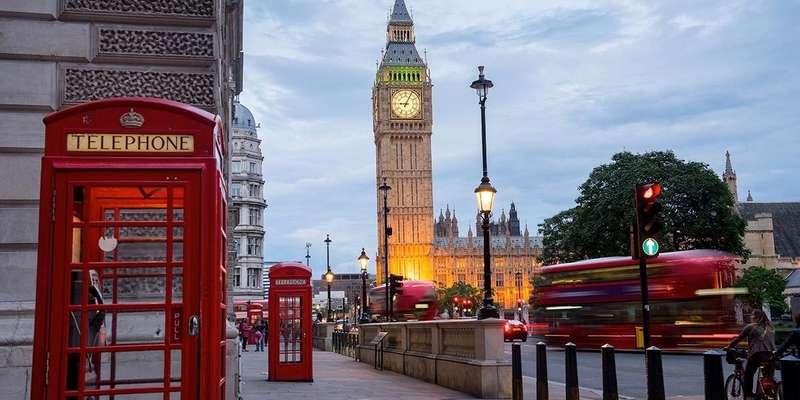
Strategic neighborhood grouping to minimize transit time
London's sprawling layout makes backtracking the ultimate time-waster. The smart approach clusters activities by proximity, dividing your two days between natural geographic zones. Day one focuses on Westminster's political heart – start early at Buckingham Palace (aim for 8:30am arrival to catch the Changing of the Guard without afternoon crowds), then walk through St. James's Park to Westminster Abbey. After touring the Abbey (pre-book tickets to bypass the 90-minute standby line), cross Parliament Square to see Big Ben and the Houses of Parliament. This compact half-mile radius packs in quintessential London sights without transport delays. For afternoon, take the Jubilee Line one stop to Southbank for the London Eye and Tate Modern, ending with sunset views from Waterloo Bridge. This logical flow saves an average 2.5 hours compared to haphazard sightseeing.
View all Tours
Mastering London's transport for stress-free movement
Navigating London's labyrinthine transport system eats into limited time if approached unprepared. The game-changer is acquiring an Oyster card or contactless payment method before arrival – queueing to buy tickets at stations wastes 15-30 minutes daily. Download Citymapper or the official TfL app for real-time routing that accounts for delays. Crucial pro tip: Avoid the Tube for short distances during peak hours (8-9:30am/5-7pm) when walking or buses are often faster. For your second day exploring East London (Tower Bridge, Borough Market, and the Tower of London), use the Thames Clippers river bus – slightly pricier than the Tube but offering scenic transit between key sights with no traffic delays. Night owls should note the Night Tube operates Fridays and Saturdays only, with limited lines – plan late returns accordingly.
UPDATES FOR YEAR 2026
Essential Arrival Protocols and High-Altitude Skyline Shortcuts
Navigating London now requires navigating digital borders before you even land. The most significant shift is the mandatory Electronic Travel Authorisation (ETA), a 'no permission, no travel' system required for all visa-exempt visitors. Ensure this is approved at least 72 hours before departure to avoid boarding denials at the airport. On the ground, the hierarchy of free views has shifted; while the Sky Garden remains iconic, Horizon 22 at 22 Bishopsgate now stands as the city's highest free viewing gallery, offering unobstructed 360-degree vistas that surpass the Shard's public levels. Slots for this and the nearby 'Lookout' gallery open on a rolling basis and are essential for your itinerary. For transit, the legacy Oyster card is largely obsolete for adults; using a mobile wallet or contactless card provides the same daily price caps without the non-refundable deposit fees, though families with children aged 11–15 should still seek out a Visitor Oyster to access the mandatory 50% Young Visitor discount which cannot be applied to standard bank cards.
View all Tours
Prioritizing attractions with smart timing strategies
Not all London landmarks demand equal time investment. The Tower of London warrants 2-3 hours (join the first Yeoman Warder tour at 9am to beat crowds), while St. Paul's Cathedral can be appreciated externally if pressed for time. For the British Museum, head straight to the Rosetta Stone and Parthenon sculptures rather than attempting comprehensive browsing. Local insight: Many major museums offer late openings (V&A until 10pm Fridays, British Museum until 8:30pm Fridays) – these twilight hours provide crowd-free enjoyment after daytime sightseeing. Skip the London Eye's standard pods in favor of their early morning Champagne experience – you'll get the same views with 80% fewer people. Always verify last entry times; Westminster Abbey stops admitting visitors 90 minutes before closing, while the Tower's Crown Jewels exhibit has separate hours.
View all Tours
Hidden shortcuts and local alternatives to tourist hotspots
London's best moments often happen away from congested attractions. Swap the hour-long queue for the London Eye by ascending the free Sky Garden (book slots 3 weeks in advance) or visiting Monument's viewing platform for £5. Instead of cramming into overcrowded Platform 9¾ at King's Cross, catch the identical photo op at nearby St Pancras with no wait. For a more authentic Tower Bridge experience, walk across the high-level glass floors when cruise ships pass (check bridge lift times online) rather than paying for the exhibition. Foodies should avoid Leicester Square chains in favor of Seven Dials' independent eateries or Whitecross Street Market for lunch. These local-approved swaps save an average £60 and 4 hours across two days while delivering more distinctive memories.
View all Tours
FAQ 2026
Do I need a digital travel authorization to visit London in 2026?
Yes, most international visitors who do not require a visa, including those from the US, Canada, and the EU, must obtain an Electronic Travel Authorisation (ETA) before traveling to the UK in 2026. This digital permit is checked at boarding, and failure to have an approved status will result in being denied entry to your flight or train.
Is the Oyster card still the best payment method for London transport in 2026?
For most adults in 2026, contactless payment (via credit card or mobile wallet) is superior to the Oyster card as it requires no deposit and automatically applies the best daily and weekly price caps. However, families with children aged 11–15 should still use an Oyster card to benefit from the 50% 'Young Visitor' discount, which is not available on contactless cards.
What is the best free viewing platform to book in London for 2026?
In 2026, Horizon 22 is the premier choice, currently holding the title of the highest free viewing gallery in Europe. While the Sky Garden is more famous, Horizon 22 offers a higher perspective and more frequent slot releases. Both require booking several weeks in advance through their respective official websites to guarantee entry.
Written by London Tours Editorial Team & Licensed Local Experts.
Last updated: 23/02/26
