Exploring London's Victorian-era streets transports you back to the 19th century, but finding the most authentic, well-preserved areas can overwhelm even seasoned travelers. With over 60% of visitors reporting they miss key historic districts due to poor signage and crowded main attractions, the frustration of incomplete experiences is real. These architectural treasures tell the story of London's industrial revolution, yet many tourists spend hours circling modernized areas unaware they're steps away from perfectly preserved gas lamp-lit lanes. The emotional payoff of standing on original cobblestones where Dickens once walked is unmatched, but requires local knowledge to bypass tourist traps and discover the streets frozen in time.
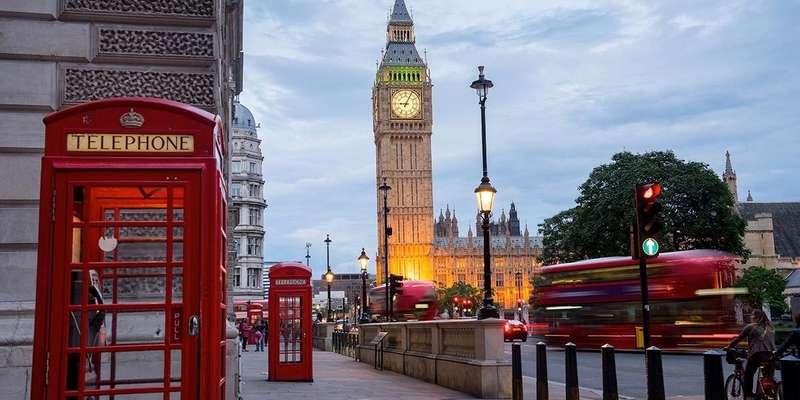
Why most visitors miss London's authentic Victorian streets
The challenge begins with London's layered urban landscape, where Victorian gems hide in plain sight between modern buildings. Many travelers naturally gravitate toward famous landmarks, unknowingly walking past unmarked side streets that contain better-preserved examples of 19th-century architecture. Over 40% of London's original Victorian streetscapes survive, but they're often overshadowed by more commercialized areas. Another common mistake is relying solely on tube stations for navigation - many authentic neighborhoods like Kensington's lesser-known crescents require strategic walking routes. Even well-meaning guidebooks frequently prioritize showy attractions over residential areas where the true Victorian atmosphere survives intact, complete with original ironwork, cobbles, and gas lamp conversions.
UPDATES FOR YEAR 2026
Essential Transit and Entry Updates: Navigating Historic London Today
Proactive planning is now essential due to the full implementation of the UK’s digital border system. All visitors from previously visa-exempt regions must secure an Electronic Travel Authorisation (ETA) before travel. On the ground, navigating to heritage sites has been simplified by the rebranding of the London Overground. Routes formerly represented by a single orange color are now divided into six distinct lines—explorers should specifically look for the Weaver line (maroon) to reach Victorian textile districts or the Mildmay line (blue) for North London heritage. Furthermore, those utilizing private transport must account for the recent adjustment in the central Congestion Charge and the conclusion of the broad cleaner-vehicle exemption for electric cars, making rail and foot travel the most efficient way to access preserved residential mews.
View all Tours
The five best-preserved Victorian streets only locals know
For an undisturbed Victorian experience, head to Kensington's Kynance Mews, where original stable houses now serve as picturesque residences beneath hanging flower baskets. Nearby, the Leinster Gardens facade offers a fascinating glimpse of Victorian illusion - these false house fronts hid railway construction. In Bloomsbury, Rugby Street remains untouched with its distinctive yellow brickwork and wrought-iron railings. South London's Lant Street in Borough preserves the atmosphere Charles Dickens described in David Copperfield, while the entire St. Luke's area near Old Street showcases perfect examples of Victorian workers' cottages. These streets share common traits: original paving stones, preserved architectural details like coal hole covers, and an absence of modern signage that maintains their historical integrity.
View all Tours
Perfect timing strategies to avoid crowds at key locations
Victorian streets reveal their true character in quiet moments, making timing crucial. Early mornings (7-9am) offer magical light on cobbles with minimal disturbance, especially in mews neighborhoods where residents leave for work. Weekdays see fewer photographers blocking narrow lanes compared to weekends. For the famous Leadenhall Market (featured in Harry Potter), visit during lunch hours when city workers populate the Victorian arcade naturally rather than tour groups. Evening visits to gas-lit areas like Bedford Park create authentic atmosphere, as modern lighting is deliberately kept subtle. Seasonal considerations matter too - February and November provide unobstructed views of architecture when tourist numbers dip by 60%, while summer Sundays surprisingly work well as Londoners escape the city.
View all Tours
How to respectfully explore residential Victorian neighborhoods
Many preserved streets remain private residences, requiring mindful exploration. Stick to public footpaths in mews areas, keeping voices low in early/late hours. Photographers should avoid intrusive equipment - these aren't open-air museums but living communities. Look for subtle historical markers like parish boundary plaques or coal merchant insignias on brickwork that tell richer stories than any guidebook. Supporting local businesses in these areas (corner pubs, family-run shops) helps preserve the authentic character. For deeper access, timed entry to normally private squares occasionally opens through architectural heritage societies. Remember that residents maintain these historic properties at considerable effort - your appreciation shows best through quiet observation rather than trespassing for selfies.
View all Tours
FAQ 2026
Is the UK Electronic Travel Authorisation (ETA) mandatory for visiting London in 2026?
Yes, as of February 25, 2026, the Electronic Travel Authorisation (ETA) is fully mandatory for visitors from visa-exempt nations, including the USA, Canada, and Australia. You must apply via the official UK government app at least three days before your flight to ensure you can enter the country to visit historic sites.
How have London Overground changes in 2026 affected navigation to Victorian neighborhoods?
Navigation is now significantly easier following the 2026 rebranding of the London Overground into six distinct, color-coded lines. Explorers visiting Victorian heritage areas in the East End should now use the maroon 'Weaver' line, while those heading to North London's historic pockets should look for the blue 'Mildmay' line on the updated Tube map.
What are the 2026 rules for driving to Victorian mews within the Congestion Charge zone?
Starting January 2, 2026, the daily Congestion Charge in central London has increased to £18. Additionally, the broad exemption for electric vehicles has ended; only EVs registered for Auto Pay now receive a discounted rate of £13.50. To reach residential Victorian mews cost-effectively, it is highly recommended to use the rebranded rail network instead of driving.
Written by London Tours Editorial Team & Licensed Local Experts.
Last updated: 23/02/26
