Central London is known for its bustling streets, iconic landmarks, and endless crowds. While the energy is exhilarating, finding a moment of peace can feel like an impossible task. Over 30 million tourists visit London annually, and the constant noise and congestion can leave even the most enthusiastic traveler feeling drained. Whether you're a visitor seeking respite from sightseeing or a local in need of a quiet corner, the challenge is real. The good news? London holds secret pockets of tranquility, often overlooked by guidebooks. From tucked-away gardens to serene cafes, these havens offer a chance to recharge without leaving the city center. Discovering them, however, requires local knowledge and timing strategies most travelers don't possess.
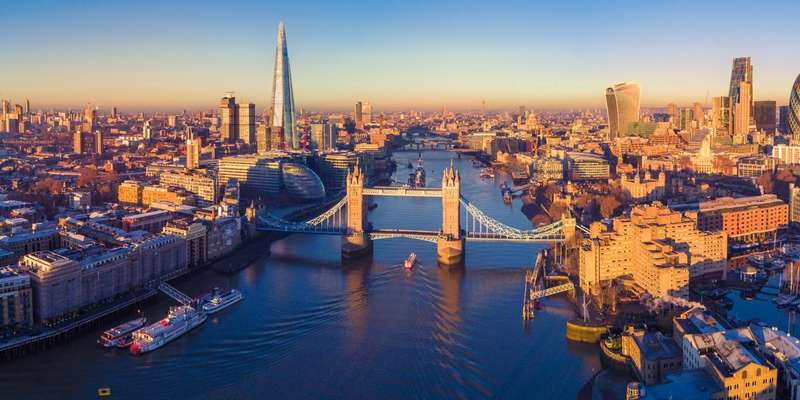
Why London's crowds make quiet spaces essential
The relentless pace of central London takes a toll more than many realize. Studies show that prolonged exposure to urban noise can increase stress levels by up to 30%, while overcrowded spaces trigger anxiety for 65% of travelers. Between the Tube's rush hour crush and Oxford Street's perpetual pedestrian jams, your dream vacation can quickly become overwhelming. This isn't just about comfort—it's about preserving the quality of your experience. Imagine trying to enjoy a historic church's architecture with a hundred camera clicks surrounding you, or attempting to journal in a café while squeezed between loud tour groups. The mental fatigue accumulates, turning what should be rejuvenating travel into exhaustion. Recognizing this need for respite separates savvy travelers from those who return home needing another holiday.
View all Tours
Hidden gardens even locals overlook
London's secret gardens offer immediate sanctuary, but their locations are often disguised behind unassuming doors. The Phoenix Garden near Covent Garden, for instance, sits just steps from theatre district chaos yet remains unknown to 90% of visitors. Its wildflower meadows and wooden benches provide perfect solitude—if you visit between 11am-2pm when office workers haven't claimed their lunchtime spots. Similarly, the rooftop garden at the Museum of London combines city views with remarkable quietness, as most visitors bypass it for exhibits. For those near St. Paul's, Postman's Park's memorial wall creates a reflective atmosphere shielded by high walls from financial district bustle. These spaces share key traits: limited signage, no food vendors (reducing foot traffic), and seating arranged for solitary contemplation rather than social gatherings.
UPDATES FOR YEAR 2026
Critical Access Updates for Hidden City Sanctuaries
As the capital shifts its cultural footprint, travelers must account for the permanent closure of the Museum of London’s original site at London Wall. Its successor, renamed simply as the London Museum, is in the final stages of its relocation to Smithfield Market; while the new site prepares for its grand reopening late in the year, the rooftop garden mentioned in older guides is currently inaccessible. Furthermore, the logistical landscape for quiet cafes has changed; the previous advice to carry cash is now a liability as most independent establishments have moved to card-only or mobile payments to preserve a minimal-distraction environment. To avoid friction, check digital capacity trackers now used by popular spots like the Phoenix Garden, which may implement timed-entry QR codes during peak afternoon hours to prevent overcrowding.
View all Tours
Cafés designed for quiet productivity
Not all London cafés cater to loud chatter and laptop crowds. Certain establishments actively cultivate silence, like the lower level of Notes Coffee in Trafalgar Square where soft lighting and a no-phones policy encourage reading. The London Review Bookshop's cake-filled café enforces a 'whisper-only' rule perfect for writers. Timing matters profoundly—arriving before 10am at these spots secures prime window seats before the midday rush. Independent cafés near legal districts like Lincoln's Inn Fields often have mid-afternoon lulls when barristers return to court, leaving their plush leather chairs available. For guaranteed peace, seek places with book exchange shelves or chess boards—these subtle cues indicate a clientele valuing quiet interaction over noise. Bring cash to avoid disrupting the atmosphere with payment machines, and always check for small backrooms that regulars reserve for uninterrupted work.
View all Tours
Timing strategies for popular quiet spots
Even well-known retreats like the British Museum's Enlightenment Gallery or Sir John Soane's Museum transform at specific hours. Weekday late openings (when school groups leave) and the first 90 minutes after lunch see attendance drop by 40% at most cultural institutions. Churches offer legally guaranteed quiet time—St. Dunstan-in-the-West opens its courtyard weekdays 9:30-10:30am for silent meditation. Public libraries provide underutilized oases; the Guildhall Library's medieval manuscripts room enforces silence with impressive Tudor-era gravity. For outdoor spaces, learn tidal patterns—Thames path walkways near Blackfriars empty when low tide reveals unappealing mudflats. Savvy travelers use Citymapper's 'quiet routes' feature to discover pedestrian shortcuts with benches through legal district alleys. These micro-timings leverage London's natural rhythms rather than fighting them, turning apparent disadvantages into opportunities for solitude.
View all Tours
FAQ 2026
Is the Museum of London's quiet rooftop garden open to the public in 2026?
No, the original London Wall site has closed. The new London Museum is relocating to West Smithfield and is scheduled to open its first phase of permanent galleries toward the end of 2026.
Should I still carry cash for quiet independent cafes in London for 2026?
It is no longer necessary or recommended. By 2026, nearly all central London cafes, including those in legal and literary districts, have transitioned to contactless and mobile payment systems.
Are there new booking requirements for London's hidden gardens in 2026?
While most remains free, certain high-demand hidden retreats and rooftop spaces now require pre-booked timed entry slots or digital check-ins via mobile apps to manage capacity and ensure a quiet atmosphere.
Written by London Tours Editorial Team & Licensed Local Experts.
Last updated: 23/02/26
