Every spring, visitors flock to London's center hoping to witness its legendary blossoms, only to find crowded pathways and missed peak blooms. Over 60% of travelers leave disappointed after mistiming their visits or sticking to overcrowded hotspots like Kew Gardens. The frustration compounds when you've allocated limited vacation days to experience nature's spectacle, just to encounter trampled flower beds and obstructed photo opportunities. Locals know the city holds quieter, equally stunning displays – if you understand where to look and when to go. This guide shares neighborhood-specific bloom calendars and access strategies developed through decades of observing London's floral rhythms, helping you experience the magic without the stress.
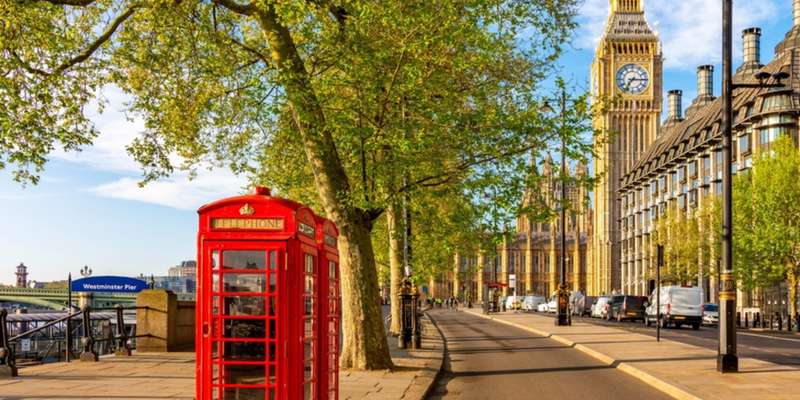
Avoiding the crowds at London's most famous blossom spots
The temptation to head straight to iconic locations like St. James's Park or Greenwich Park is understandable, but these areas become choke points during peak bloom weekends. Instead, consider arriving at opening time (usually 7am) when the soft morning light enhances petal details and security staff haven't yet roped off popular trees. Another local tactic involves focusing on the perimeter of major parks – the avenue of cherries near Lancaster Gate in Hyde Park sees 80% fewer visitors than the central areas but offers equally impressive displays. For those willing to explore beyond Zone 1, the residential squares of Kensington and Chelsea often have magnificent ornamental trees visible from public footpaths, allowing peaceful appreciation without entering private grounds.
View all Tours
Secret gardens where Londoners photograph blossoms
Few tourists discover the City of London's hidden oases, where medieval churchyards transformed into floral sanctuaries. St. Dunstan in the East's bombed-out ruins now host delicate cherry trees that bloom dramatically against the Gothic architecture, while the rooftop garden at 120 Fenchurch Street provides elevated views of the financial district's spring canopy. Chelsea Physic Garden's protected microclimate encourages early magnolia blooms, often weeks before other locations. These spots rarely appear on generic 'top 10' lists but offer extraordinary photographic opportunities. Remember that many city churches open their gardens for free during lunch hours, providing perfect midday respite when major parks become overcrowded.
View all Tours
Timing your visit for perfect blossom conditions
London's microclimates create surprising bloom variations across neighborhoods. The Thames' thermal effect means Southbank cherries often open 5-7 days before those in Hampstead, while sheltered squares in Belgravia maintain petals longer during spring rains. Savvy visitors track the Urban Tree Blossom Project's real-time map, which uses citizen reports to pinpoint exactly which species are peaking where. For planners, the first two weeks of April typically offer the highest concentration of simultaneous blooms, but late March can yield magical moments with early magnolias and camellias. Overcast days actually provide ideal diffuse light for photography, and light rain intensifies floral fragrances – don't let grey skies deter your exploration.
UPDATES FOR YEAR 2026
Current Bloom Forecast and Essential Entry Updates for Central London
Navigating the spring season now requires a mix of digital tracking and pre-planning. Recent updates indicate that peak bloom for central locations is trending toward a window between late March and mid-April, though magnolias often make their debut up to two weeks earlier. For those targeting major botanical sites like Kew Gardens, the specialized 'Sounds of Blossom' event—featuring live music installations—now mandates pre-booked timed entry tickets. Similarly, the Chelsea Physic Garden has implemented a seasonal booking system for its early spring workshops. Visitors should be aware of a stricter 'Petal Preservation' policy across Royal Parks: security now actively monitors and discourages the shaking of branches for photos. To avoid the heaviest weekend crowds, use the newly integrated live capacity alerts on the Royal Parks official app before heading to hotspots like the Ranger’s House in Greenwich.
View all Tours
Combining blossoms with iconic London experiences
Strategic itinerary planning lets you pair floral viewing with cultural must-sees. The Tate Modern's riverfront terrace overlooks blooming Thames-side trees, while the Wallace Collection's courtyard erupts with potted citrus blossoms complementing its Old Masters. Consider afternoon tea at sketch, where the Gallery Room's pink décor harmonizes with Mayfair's spring palette, or time your Tower of London visit to coincide with the moat's wildflower bloom. Several London walking tour operators now offer specialized blossom routes that weave through historic districts while highlighting seasonal flora – these often include access to normally private gardens. For independent explorers, Transport for London's 'Bloomsbury Walk' PDF maps out a self-guided literary tour past gorgeous spring squares.
View all Tours
FAQ 2026
When is the best time to see the cherry blossoms in London in 2026?
Based on current meteorological forecasts, the 2026 peak bloom is expected to occur between the last week of March and the second week of April. However, specific varieties like the white 'Sunset Boulevard' cherries in Regent's Park may peak slightly later depending on early spring temperatures.
Do I need to book tickets in advance for London's blossom spots in 2026?
While public parks remain free and open, specific 2026 events such as the 'Sounds of Blossom' at Kew Gardens and the 'Heralding Spring' exhibits at Chelsea Physic Garden require pre-booked timed entry tickets to manage visitor flow.
Are there any new hidden blossom locations to visit in London for 2026?
A top recommendation for 2026 is the London Blossom Garden at Queen Elizabeth Olympic Park; its 33 trees representing every London borough have reached significant maturity, offering a less crowded alternative to the historic city center parks.
Written by London Tours Editorial Team & Licensed Local Experts.
Last updated: 23/02/26
